
In today’s modern lifestyle, homes are becoming more compact, digital, and fast-paced. People spend most of their time indoors, surrounded by screens, artificial lighting, and limited natural exposure. In this environment, planting a garden has become more than just a hobby—it has become a lifestyle necessity.
A home garden brings balance between modern living and nature. It improves air quality, enhances mental peace, and transforms ordinary spaces into refreshing green environments.
How gardens improve beauty, health, and lifestyle
A garden transforms the visual identity of any home. Green plants, flowers, and natural textures create a calming environment that artificial decoration cannot replicate. Lifestyle improvement is another key impact. People who practice planting a garden often develop better daily routines, spend more time outdoors, and feel more connected to nature. It becomes a peaceful escape from digital overload and daily stress.
Benefits of planting a garden
When you start it, you gain multiple benefits:
- Fresh and organic food from home-grown vegetables
- Improved mental health and reduced stress
- Better air quality around your home
- Increased property beauty and value
- A meaningful and relaxing hobby
Gardening is not just a task—it is a lifestyle upgrade.
Why Planting a Garden Is Important for Modern Homes
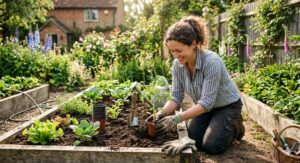
Modern architecture focuses heavily on structure and design, but often overlooks nature integration. A garden fills this gap by adding life and energy to living spaces.
Benefits of Home Gardening
Home gardening provides long-term value. It creates a sustainable source of herbs, vegetables, and decorative plants. It also reduces household expenses and encourages healthier eating habits.
More importantly, it creates emotional satisfaction. Watching plants grow from seeds to full life is a rewarding experience that strengthens human connection with nature.
Improving Air Quality and Outdoor Beauty
Plants act as natural air filters. They absorb carbon dioxide and release oxygen, improving the surrounding atmosphere. This leads to a healthier living environment, especially in urban areas where pollution is high.
At the same time, a garden improves outdoor appearance. Even a small green corner can significantly enhance the overall look of a home.
Creating a Relaxing Living Space
A garden provides emotional comfort. It becomes a personal retreat where one can relax, meditate, or simply enjoy quiet moments. This is one of the strongest reasons people start planting a garden in modern homes.
Choosing the Perfect Space for Your Garden
Space selection is critical because it determines plant health and growth success.
Indoor vs Outdoor Gardening
Outdoor gardening is ideal when space is available, offering natural sunlight and airflow. However, indoor gardening is equally effective for apartments when proper lighting and plant selection are considered. Indoor plants can survive well in controlled environments, making them perfect for modern living spaces.
Understanding Sunlight and Shade
Sunlight is one of the most important factors in gardening success. Some plants need direct sunlight for several hours daily, while others prefer shaded or indirect light. Understanding light patterns in your home ensures that planting a garden becomes more successful and less stressful.
Best Locations for Small Modern Homes
Even small homes offer gardening opportunities. Balconies, rooftops, kitchen windows, stair corners, and walls can all be used creatively. Vertical space usage is especially important in modern homes where floor space is limited.
Planning Your Garden Before You Start
Proper planning is the foundation of successful gardening. Without planning, plants may not survive or grow properly.
Deciding What Plants to Grow
Plant selection should be based on climate, space, and purpose. Some people prefer food plants like vegetables and herbs, while others prefer decorative flowers or air-purifying plants. Choosing the right combination makes planting a garden more effective and balanced.
Setting a Gardening Budget
Gardening can be affordable, but planning a small budget helps manage tools, seeds, soil, and maintenance costs efficiently. It prevents overspending and ensures long-term sustainability.
Sketching a Simple Garden Layout
A basic garden plan helps organize plant placement and spacing. It ensures that every plant receives proper sunlight, water, and air circulation.
Essential Tools Needed for Planting a Garden
Having the right tools makes gardening easier and more efficient.
Basic Gardening Tools for Beginners: Basic tools include a hand trowel, watering can, pruning scissors, gloves, and a small shovel. These tools are enough for starting a simple garden.
Choosing Quality Soil and Containers: Healthy soil is the foundation of plant growth. Good containers should allow proper drainage to avoid water accumulation around roots.
Modern Gardening Accessories: Modern gardening includes tools like self-watering pots, vertical planters, and drip irrigation systems. These make maintenance easier, especially in busy lifestyles.
Preparing the Soil for Healthy Plant Growth
Soil quality directly affects plant health and productivity.
Testing Soil Quality: Good soil should be loose, fertile, and well-drained. Hard or compact soil can restrict root growth and reduce plant survival chances.
Adding Compost and Nutrients: Organic compost enriches soil with natural nutrients. It improves structure, moisture retention, and long-term fertility.
How to Keep Soil Fertile: Regular composting, crop rotation, and natural fertilizers help maintain soil health over time, ensuring continuous plant growth.
Best Plants for Modern Home Gardens
Plant selection determines success in planting a garden.
Easy Vegetables for Beginners: Tomatoes, spinach, cucumber, chili, and coriander are easy to grow and suitable for beginners.
Low-Maintenance Flower Plants: Marigold, rose, hibiscus, and jasmine are popular choices because they require minimal care but provide strong visual impact.
Indoor Plants for Modern Homes: Snake plant, money plant, aloe vera, and peace lily are ideal indoor plants that improve air quality and require low maintenance.
Step-by-Step Guide to Planting a Garden
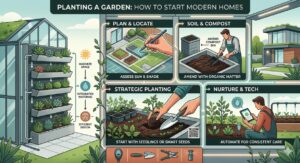
A structured approach ensures better results.
Planting Seeds Properly: Seeds must be planted at the correct depth based on type. Incorrect planting depth can affect germination and growth.
Watering Techniques for New Plants: New plants need gentle watering to avoid disturbing soil and roots. Overwatering should always be avoided.
Spacing Plants for Healthy Growth: Proper spacing ensures plants receive enough sunlight, nutrients, and airflow, which supports strong growth.
Modern Gardening Ideas for Small Spaces
Even limited spaces can be transformed into green environments.
Vertical Gardening Ideas: Vertical gardening uses walls and racks to grow plants upward, saving space and creating a modern green design.
Balcony and Rooftop Gardens: Balconies and rooftops can be converted into productive green areas for relaxation and fresh air.
Container Gardening Tips: Containers allow flexibility, mobility, and easy maintenance, making them ideal for modern urban homes.
Watering and Maintenance Tips
Consistent care is essential for long-term success.
How Often to Water Plants: Watering frequency depends on plant type, soil condition, and weather. Balance is key—neither too much nor too little.
Preventing Weeds Naturally: Mulching and regular cleaning help prevent weed growth without chemical use.
Simple Garden Maintenance Routine: A daily or weekly routine of watering, trimming, and inspection keeps the garden healthy and productive.
Eco-Friendly Gardening Tips for Modern Homes
Sustainable gardening supports both nature and the home environment.
Using Organic Fertilizers: Organic fertilizers improve soil naturally without harmful chemicals.
Saving Water in Your Garden: Efficient watering methods reduce water waste and support environmental sustainability.
Recycling Household Items for Gardening: Reusing bottles, containers, and household waste for planting reduces cost and supports eco-friendly living.
Final Verdict
Planting a garden is one of the most meaningful improvements you can bring to a modern home. It enhances beauty, improves health, supports sustainability, and creates emotional balance in daily life.
No matter the size of your home, a garden is always possible. With proper planning, care, and consistency, any space can be transformed into a living green environment that continues to grow and give value for years.
FAQs
What is the best time for planting a garden?
Spring and rainy seasons are generally the most suitable because soil moisture and temperature support healthy growth.
Which plants are easiest for beginners?
Tomatoes, spinach, marigold, money plant, and aloe vera are very beginner-friendly options.
How much sunlight does a garden need?
Most plants require at least 4–6 hours of sunlight, though indoor plants can grow in indirect light.
Can I start a garden in a small apartment?
Yes, small apartments can support gardening through vertical systems, containers, and indoor plants.