
A well-planned retaining wall design can completely transform an outdoor space while providing essential structural support. Whether you’re dealing with a sloped backyard, soil erosion, drainage problems, or simply want to improve your landscape, the right retaining wall can make a significant difference.
Many homeowners focus only on appearance when planning a retaining wall, but functionality is equally important. A successful retaining wall design combines strength, durability, drainage, and visual appeal. When properly designed and built, retaining walls can last for decades while enhancing the value of your property.
What Is Retaining Wall Design?
A retaining wall design is the process of planning and engineering a wall that holds back soil, prevents erosion, and stabilizes uneven ground. These walls are commonly used in residential, commercial, and landscaping projects. The purpose of a retaining wall extends beyond aesthetics. It helps:
- Control soil movement
- Prevent landslides and erosion
- Improve drainage
- Create level outdoor spaces
- Increase landscape functionality
Why Proper Retaining Wall Design Matters
Many retaining wall failures occur because of poor planning rather than poor construction. Investing time in a quality retaining wall design can prevent expensive repairs and safety issues later.
Structural Stability: The wall must withstand pressure from the soil behind it. Without proper engineering, walls can crack, tilt, or collapse.
Effective Drainage: Water buildup behind a wall creates hydrostatic pressure, one of the leading causes of retaining wall failure.
Long-Term Durability: A thoughtfully planned retaining wall design ensures the structure remains strong and functional for many years.
Improved Property Value: Attractive retaining walls can enhance curb appeal and make outdoor spaces more usable.
Benefits of a Well-Planned Retaining Wall
Prevents Soil Erosion: Sloped landscapes are vulnerable to erosion caused by rain and runoff. Retaining walls help stabilize soil and protect your property.
Creates Usable Space: Retaining walls can transform steep or uneven land into functional areas for patios, gardens, or outdoor living spaces.
Enhances Landscape Appearance: An attractive retaining wall design adds depth, texture, and visual interest to outdoor environments.
Improves Drainage Management: Properly designed walls direct water away from structures and prevent pooling.
Increases Property Value: Well-maintained landscaping often contributes positively to a property’s market appeal.
Types of Retaining Walls
Choosing the right type is a critical part of the retaining wall design process. Different retaining wall types are designed for specific soil conditions, heights, and structural requirements. Selecting the appropriate option improves stability, durability, and overall performance.
Gravity Retaining Walls
These walls rely on their own weight to resist soil pressure.
Advantages:
- Simple construction
- Durable
- Suitable for shorter walls
Cantilever Retaining Walls
These reinforced concrete walls use leverage to resist soil pressure.
Advantages:
- Strong and efficient
- Suitable for taller walls
- Uses less material than gravity walls
Anchored Retaining Walls
Additional anchors are installed into the soil behind the wall for extra support.
Advantages:
- Handles heavy loads
- Suitable for challenging conditions
Sheet Pile Retaining Walls
Thin sheets are driven into the ground to retain soil.
Advantages:
- Space-saving
- Ideal for tight locations
Segmental Retaining Walls
These modular block systems are popular in residential landscaping.
Advantages:
- Attractive appearance
- Easy installation
- Excellent flexibility
How to Plan the Perfect Retaining Wall Design
Planning is one of the most important stages of creating a successful retaining wall. A proper plan helps determine the right materials, structure, and drainage requirements for the project. Careful evaluation of soil conditions, site layout, and load factors improves stability and durability.
Evaluate Site Conditions
Assess:
- Slope steepness
- Soil type
- Existing drainage patterns
- Nearby structures
Determine Wall Dimensions
Wall height and length significantly affect design requirements.
Factors include:
- Soil pressure
- Drainage needs
- Intended use
- Local regulations
Understand Local Building Codes
Choosing the Best Materials: Selecting suitable materials affects the wall’s strength, appearance, and lifespan. The right choice depends on your budget, design goals, and site conditions.
Concrete Blocks: Concrete blocks are a popular choice because they offer durability and versatility. They provide easy maintenance and a clean modern appearance.
Natural Stone: Natural stone adds a timeless and premium look to outdoor spaces. It offers long-lasting performance but usually requires higher installation costs.
Timber: Timber retaining walls are affordable and provide a natural appearance. However, they generally have a shorter lifespan compared to other materials.
Poured Concrete: Poured concrete provides exceptional strength and a sleek modern finish. It is highly durable but often requires professional installation.
Brick and Masonry: Brick and masonry walls offer traditional beauty and strong structural support. They require skilled labor but provide a durable finish.
Professional Comparison Table of Retaining Wall Materials
| Material | Durability | Cost Range | Appearance | Maintenance |
| Concrete Blocks | High | Medium | Modern | Low |
| Natural Stone | Very High | High | Premium | Low |
| Timber | Medium | Low | Natural | High |
| Poured Concrete | Very High | High | Contemporary | Low |
| Brick | High | Medium-High | Traditional | Medium |
Drainage: The Most Important Element
Even the strongest wall can fail without proper drainage. Water accumulates behind retaining walls over time. This creates pressure that can cause:
- Cracking
- Leaning
- Bulging
- Structural failure
A professional retaining wall design always incorporates effective drainage solutions.
Common Drainage Solutions
- Gravel Backfill: Gravel allows water to move freely behind the wall.
- Perforated pipes: collect and redirect water away from the structure.
- Weep Holes: These openings allow trapped water to escape.
Signs of Poor Drainage
Watch for:
- Water pooling
- Soil washout
- Wall movement
- Cracks and bulges
Step-by-Step Retaining Wall Design Process
Step 1: Survey the Site
Measure the area carefully and identify slopes, boundaries, and obstacles. A proper site survey helps avoid design and construction problems later.
Step 2: Analyze Soil Conditions
Soil type plays a key role in retaining wall stability and strength. Understanding soil composition helps determine the right design approach.
Step 3: Choose Wall Type
Select the most suitable retaining wall system based on site needs and load requirements. The right choice improves safety and long-term performance.
Step 4: Select Materials
Choose materials that match your budget, design goals, and durability needs. Proper material selection ensures both strength and visual appeal.
Step 5: Plan Drainage
Good drainage prevents water buildup behind the wall and reduces pressure. Use gravel, pipes, and proper water channels for effective drainage.
Step 6: Design the Foundation
A strong foundation supports the entire retaining wall structure. Proper foundation design helps prevent shifting and settlement over time.
Step 7: Build and Reinforce
Construct the wall according to engineering guidelines and safety standards. Reinforcement ensures the wall can handle soil pressure effectively.
Step 8: Inspect and Maintain
Regular inspections help detect cracks, movement, or drainage issues early. Timely maintenance keeps the retaining wall strong and durable.
Modern Retaining Wall Design Ideas
A creative retaining wall design can significantly enhance your landscape.
- Tiered Retaining Walls: Perfect for steep slopes and large gardens.
- Curved Walls: Add elegance and soften landscape lines.
- Garden Retaining Walls: Combine structural support with attractive planting areas.
- Natural Stone Features: Create a timeless and luxurious outdoor appearance.
- Modern Concrete Designs: Ideal for contemporary landscapes.
- Mixed Material Walls: Combining stone, wood, and concrete creates unique visual effects.
Common Retaining Wall Design Mistakes
Avoiding these mistakes can save substantial time and money.
Ignoring Drainage: Poor drainage is one of the most common reasons retaining walls fail. Proper water management helps prevent pressure buildup and structural damage.
Choosing Inappropriate Materials: Selecting the wrong materials can reduce the wall’s strength and lifespan. Materials should always match the site conditions and project requirements.
Weak Foundations: A weak foundation can cause shifting, cracks, and instability over time. A strong base is essential for a durable retaining wall.
Underestimating Soil Pressure: Soil pressure creates significant force against the wall structure. Proper design is needed to handle the load safely.
Skipping Professional Advice: Complex retaining wall projects often require expert guidance and planning. Professional advice helps avoid costly mistakes and ensures better results.
Advanced Design Considerations
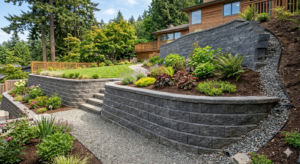
Larger retaining walls require careful planning and advanced engineering solutions. Proper design ensures strength, stability, and long-term performance.
Load Calculations: Engineers analyze soil pressure and external forces before construction. Accurate calculations help create a safer and more reliable structure.
Geogrid Reinforcement: Geogrid reinforcement improves wall stability by strengthening the surrounding soil. It helps increase load capacity and reduce movement.
Seismic Considerations: Areas with earthquake risks need additional structural planning. Seismic design helps the wall withstand ground movement and stress.
Weather Resistance: Climate conditions can affect material durability and performance. Choosing weather-resistant materials helps extend the wall’s lifespan.
Retaining Wall Maintenance Tips
Regular maintenance helps prevent major problems and extends the life of a retaining wall. Simple inspections and timely repairs can protect the structure.
Inspect Annually: Regular inspections help identify cracks, shifting, or drainage problems early. Early detection can prevent expensive repairs.
Control Vegetation: Large plant roots can create pressure and damage the wall structure. Managing vegetation helps maintain stability.
Monitor Water Flow: Proper water drainage is essential for retaining wall performance. Keeping drainage systems clear prevents water buildup.
Address Small Repairs Quickly: Minor cracks and issues can become serious if ignored. Quick repairs help maintain the wall’s strength and appearance.
Keep Weep Holes Open: Blocked weep holes can trap water behind the wall. Keeping them clear allows proper drainage and reduces pressure.
Retaining Wall Design Cost Factors
Retaining wall costs depend on various factors, including materials, size, and installation requirements. Proper planning helps create an accurate budget.
Wall Height: Taller walls require more materials and stronger engineering solutions. Increased height usually leads to higher construction costs.
Material Selection: Different materials have different price ranges and durability levels. Premium materials often provide better appearance and longer performance.
Site Preparation: Excavation, grading, and ground preparation affect total project costs. Proper preparation is necessary for a stable structure.
Drainage Systems: Effective drainage is an important part of retaining wall construction. Investing in proper drainage helps prevent future damage.
Labor Costs: Complex retaining wall installations often require skilled workers. Labor expenses depend on project size and construction difficulty.
Final Verdict
Creating the perfect retaining wall design requires more than choosing attractive materials. A successful project combines proper planning, structural stability, effective drainage, quality materials, and regular maintenance. Whether you’re building a small garden wall or a large structural retaining system, understanding soil conditions, drainage requirements, and engineering principles is essential. With thoughtful planning and attention to detail, a retaining wall can become one of the most valuable and functional features of any outdoor space
FAQs
What is the best material for retaining wall design?
Concrete blocks and natural stone are among the most popular choices due to their durability, appearance, and long lifespan.
How high can a retaining wall be without engineering approval?
Requirements vary by location, but many areas require engineering review or permits for walls over 3 to 4 feet tall.
Why is drainage important behind retaining walls?
Drainage prevents water pressure buildup, reducing the risk of cracking, bulging, and wall failure.
How long does a retaining wall last?
Depending on materials and maintenance, retaining walls can last anywhere from 20 to over 100 years.
Can I build a retaining wall myself?
Small landscape walls may be suitable for DIY projects, but larger walls often require professional design and construction.