
Your walls should reflect your personality, memories, and style, but finding artwork that feels truly personal can be difficult. Store-bought prints often look attractive, yet they may not match your space or tell your story. The best way to create personalized wall art is to combine meaningful ideas, thoughtful design, and the right printing materials. Whether you use family photos, original illustrations, or an AI poster maker, you can create custom artwork that adds character to your home without spending a fortune.
Why Is Personalized Wall Art Important for Home Decor?
Personalized wall art makes a home feel more welcoming and unique. Instead of filling empty walls with random decorations, you can display artwork that reflects your interests, experiences, and favorite colors. A family photograph, a meaningful quote, or a custom landscape can turn an ordinary room into a space that feels like yours.
Wall art also plays an important role in interior design. It can connect different colors, create a focal point, and add visual balance to a room. For example, a large abstract print above a sofa can bring together the colors of your cushions, curtains, and furniture. Similarly, a collection of travel photographs can add warmth and personality to a hallway.
The most effective personalized artwork balances emotional meaning with visual appeal. A design should feel special to you while also complementing the room’s existing style. This approach helps you create a space that looks intentional rather than overcrowded.
Key takeaway: Personalized wall art combines meaningful memories, personal interests, and thoughtful design to make your home feel more comfortable and distinctive.
What Are the Best Ideas for Personalized Wall Art?
The best personalized wall art ideas start with something meaningful. You do not need advanced design skills or expensive materials to create something beautiful. Instead, focus on artwork that represents your personality and fits naturally into your living space.
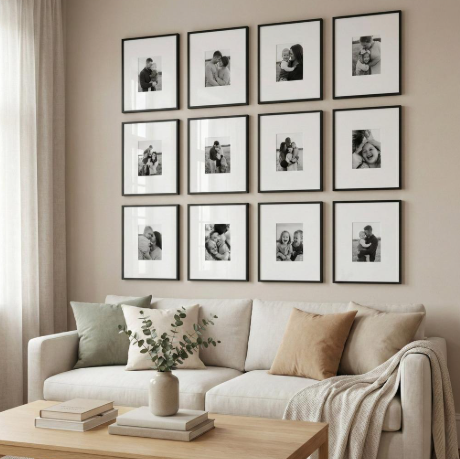
1. Family photographs and personal memories
Family photos are among the easiest ways to personalize a wall. Choose photographs from weddings, vacations, celebrations, or everyday moments. Use matching frames for a clean appearance, or mix frame sizes for a relaxed gallery wall.
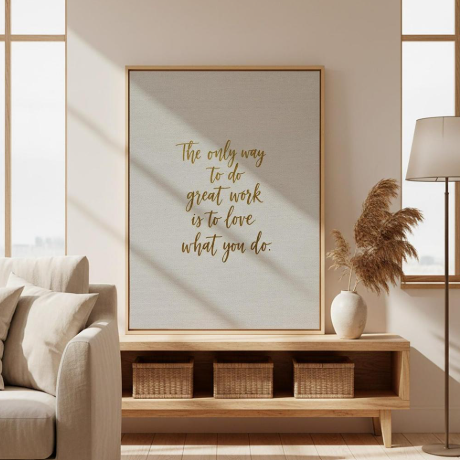
2. Custom quotes and typography
A favorite quote, family motto, or meaningful phrase can become attractive wall decor. Choose simple fonts and colors that match your interior. Short phrases often work better because they remain easy to read from a distance.
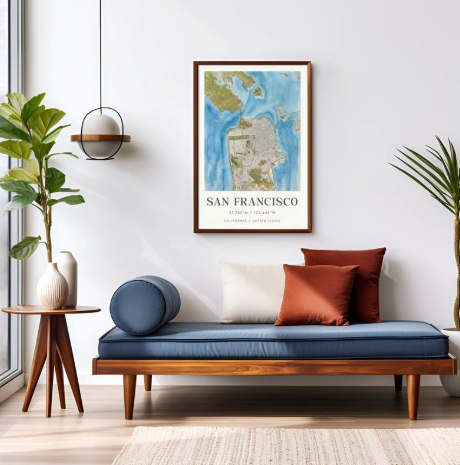
3. Travel-inspired prints and maps
Turn your favorite destinations into artwork. You might create a minimalist map of your hometown, a poster of a memorable vacation spot, or an illustration of a place you hope to visit.
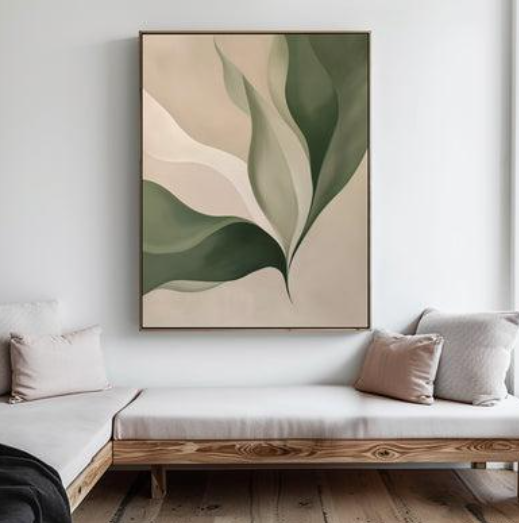
4. Abstract and nature-inspired artwork
Abstract shapes, botanical illustrations, and landscapes suit many decorating styles. You can customize their colors to match your furniture and create a coordinated appearance throughout the room.
You can also combine several ideas into one arrangement. For example, a gallery wall might feature family photographs, a small illustrated map, and a custom quote. The key is to maintain a consistent color palette or framing style so the collection feels connected.
Key takeaway: Family photos, meaningful quotes, travel memories, and custom illustrations offer simple ways to create wall art that reflects your life and decorating preferences.
How Can You Create Personalized Wall Art With an AI Poster Maker?
An AI poster maker can help you turn a creative idea into a visual design without requiring professional illustration skills. These tools use artificial intelligence to generate images based on written descriptions, often called prompts. You describe the subject, colors, style, and mood you want, and the tool creates an image based on those instructions.
For example, you could request a watercolor illustration of a mountain landscape with soft green tones for a bedroom. You could also create a vintage-inspired botanical print for a kitchen or a colorful geometric composition for a home office. The more specific your description, the easier it becomes to guide the result toward your preferred style.
However, AI-generated images still need careful review. Some designs contain distorted details, uneven patterns, or text errors. It is also important to check the tool’s usage terms before printing or distributing an image. Treat the generated artwork as a starting point and refine it before making a final print.
Step-by-step guide to creating custom AI artwork
- Choose your theme: Decide whether you want abstract art, nature illustrations, typography, or something inspired by a personal memory.
- Select your colors: Pick two or three main colors that complement your room.
- Write a detailed prompt: Describe the subject, artistic style, composition, lighting, and preferred mood.
- Generate several variations: Compare different designs rather than accepting the first result.
- Refine the artwork: Adjust the composition, remove unwanted details, and add any text in a reliable design editor.
- Prepare the final file: Confirm the image dimensions and resolution before printing.
For instance, a useful prompt might be:
Create a minimalist botanical poster featuring olive branches, a warm beige background, muted green leaves, and a soft watercolor texture. Use a vertical composition suitable for a modern Scandinavian living room. Leave generous empty space around the illustration.
This approach gives you greater control over the final appearance. You can experiment with different styles until the design feels right for your home.
Key takeaway: AI design tools make personalized wall art more accessible, but detailed prompts, careful editing, and print-quality checks remain essential for professional-looking results.
How Do You Choose Wall Art That Matches Your Interior Design?
The best wall art should complement your room rather than compete with its furniture and decorations. Before creating a design, consider your existing color scheme, decorating style, available wall space, and lighting conditions.
Color is one of the most important factors. If your living room features neutral furniture, you can introduce artwork with earthy greens, warm browns, or soft blues. If your room already contains bold patterns, simpler artwork may create better visual balance.
Your decorating style also influences the artwork you choose. A modern home often benefits from clean lines and geometric designs, while a traditional interior may suit landscapes, vintage illustrations, and classic frames.
| Interior style | Suitable wall art |
| Minimalist | Simple line drawings and neutral abstract prints |
| Scandinavian | Botanical artwork and soft natural colors |
| Modern | Geometric compositions and bold photography |
| Rustic | Nature landscapes and vintage-inspired illustrations |
| Bohemian | Colorful patterns, organic shapes, and eclectic prints |
| Traditional | Classic landscapes and framed illustrations |
Size matters just as much as style. A tiny print can disappear above a large sofa, while an oversized piece may overwhelm a narrow hallway. As a starting point, artwork placed above furniture often looks balanced when its total width covers roughly two-thirds to three-quarters of the furniture’s width. This is a decorating guideline, not a strict rule.
For more inspiration, explore the home decorating ideas and interior styling advice at Decorators Advice. Consider how artwork works alongside furniture, lighting, and other decorative elements.
Key takeaway: Choose artwork based on your room’s colors, style, and proportions. A coordinated design creates a more balanced and welcoming interior.
What Is the Best Way to Print and Frame Personalized Wall Art?
Even a beautiful digital design can look disappointing if you print it on unsuitable paper or at the wrong resolution. Printing and framing are essential parts of the finished result, especially when you want artwork to remain attractive for years.
Start by checking image resolution. Print resolution refers to the amount of image detail available for a given print size. Printers commonly measure it in dots per inch (DPI), while digital image detail is measured in pixels. For many prints viewed up close, 300 pixels per inch is a useful target.
For example, an 8 × 10-inch print at 300 pixels per inch requires an image measuring approximately 2,400 × 3,000 pixels. Larger wall art viewed from farther away may work well at lower resolutions, depending on the artwork and printing method.
Key takeaway: Check the final pixel dimensions before printing. Enlarging a small image does not automatically add genuine detail.
Which printing material should you choose?
Different materials create different visual effects.
- Matte paper: Reduces glare and works well for illustrations, typography, and minimalist designs.
- Glossy photo paper: Enhances contrast and gives photographs a more vibrant appearance, although reflections may be noticeable.
- Canvas: Adds texture and works especially well for landscapes, portraits, and painterly artwork.
- Fine art paper: Offers a refined finish for detailed illustrations and premium prints.
Framing also changes how artwork feels. Thin black frames suit modern interiors, while natural wood frames add warmth to Scandinavian or rustic rooms. White frames can create a fresh, understated look.
If you want artwork to last, consider acid-free materials and protective glazing. The Library of Congress guidance on caring for paper collections explains why suitable materials and careful handling matter for preserving paper items.
Key takeaway: High-resolution files, suitable printing paper, and complementary frames help personalized artwork look polished and stay in good condition.
Where Should You Place Personalized Wall Art in Your Home?
Placement determines how people experience your artwork. Even a well-designed print can lose its impact when it hangs too high, sits in an awkward position, or competes with too many surrounding decorations.
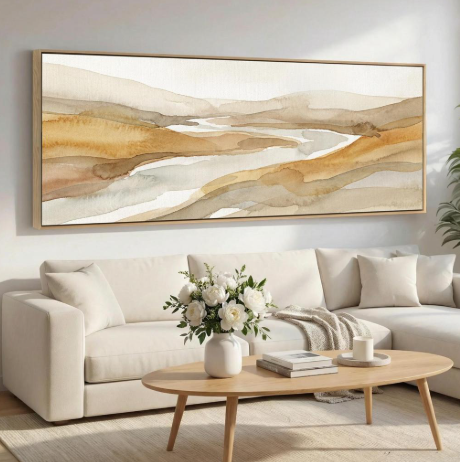
Living room
Place a statement piece above the sofa or create a gallery wall on a spacious wall. Keep the arrangement visually connected to the furniture beneath it.
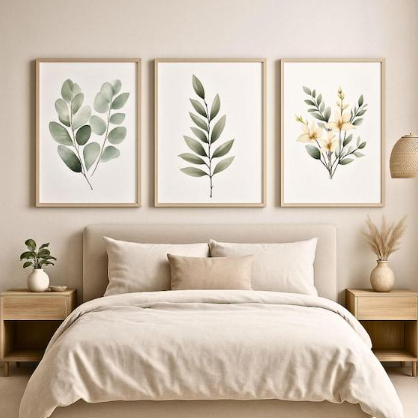
Bedroom
Choose calming colors and meaningful images. Botanical prints, soft landscapes, and personal photographs can create a restful atmosphere.
Home office
Display artwork that inspires creativity without becoming distracting. Simple abstract designs, travel photographs, or a short motivational phrase work well.
Hallways and entryways are also excellent places for personalized art. A row of family photographs or small travel prints can transform a narrow passage into a meaningful display.
For most standing-view areas, placing the center of a single artwork around eye level, often approximately 57 to 60 inches from the floor, provides a useful starting point. Adjust the height for seated viewing, unusually high ceilings, or furniture placement.
Before drilling holes, arrange paper templates on the wall using removable tape. This lets you test spacing and composition without damaging the surface.
Key takeaway: Place personalized artwork where it can be appreciated easily, and use furniture, eye level, and wall proportions to guide the arrangement.
How Can You Create Personalized Wall Art on a Budget?
Creating custom wall art does not require expensive equipment or professional design services. With a little planning, you can produce attractive artwork using affordable materials and simple tools.
Start with resources you already own. Personal photographs, children’s drawings, handwritten notes, and old travel pictures can all become meaningful decorations. Scan or photograph them in good lighting, make simple edits, and print them in suitable sizes.
Digital design tools can also reduce the cost of creating original illustrations. Instead of commissioning several custom designs, you can experiment with layouts and colors before paying for printing. However, compare the cost of subscriptions, downloads, and commercial printing before choosing a method.
You can save more by reusing frames, purchasing standard print sizes, and grouping several smaller pieces into a gallery wall. Standard sizes are often easier to frame because they do not require custom measurements.
Another practical idea is to rotate artwork seasonally. Store unused prints in protective sleeves and change your display throughout the year. This refreshes your room without requiring new furniture or major decorating expenses.
Key takeaway: Reuse meaningful images, choose standard print sizes, and refresh existing frames to create affordable wall art with a personal touch.
What Common Mistakes Should You Avoid When Creating Custom Wall Art?
One common mistake is choosing artwork before considering the room. A design may look attractive on a computer screen but feel out of place once displayed beside furniture and other decorations. Always review your color palette, wall dimensions, and decorating style first.
Another mistake is printing low-resolution images at large sizes. Small digital files may look sharp on a phone but become blurry when enlarged. Check the final print dimensions and inspect the image at a realistic viewing size before ordering.
People also sometimes add too many decorative elements. Excessive fonts, bright colors, and detailed patterns can make a wall feel crowded. A simpler composition often has a stronger visual impact, especially in smaller rooms.
Finally, avoid ignoring lighting. Direct sunlight can fade some prints over time, while reflective glass may create distracting glare. Position artwork away from harsh sunlight when possible and consider matte finishes or protective glazing for brighter spaces.
Key takeaway: Avoid poor image quality, mismatched colors, overcrowded arrangements, and unsuitable lighting to keep your personalized wall art attractive and balanced.
Frequently Asked Questions About Personalized Wall Art
What is the easiest way to make personalized wall art?
The easiest method is to use a personal photograph or digital illustration, adjust its colors and size, and print it in a standard frame. This requires little design experience and works with many decorating styles.
Quick answer: Start with a meaningful image, make simple edits, and frame it to match your room.
Can AI-generated artwork be printed as wall decor?
Yes. You can print AI-generated artwork if the tool’s usage terms allow it and the image has suitable resolution. Review the design carefully for errors before sending it to a printer.
Quick answer: AI-generated artwork can become wall decor when its usage rights and print quality meet your needs.
What size should personalized wall art be?
The right size depends on the wall and nearby furniture. For artwork above a sofa, a total width of about two-thirds to three-quarters of the sofa’s width is a useful starting point.
Quick answer: Choose print dimensions based on the available wall space and the scale of surrounding furniture.
How can I make my wall art look more expensive?
Use high-quality printing, a coordinated color palette, clean frames, and consistent spacing. A mat board can also give smaller prints a more refined appearance.
Quick answer: Good materials, simple framing, and careful placement create a polished look without a large budget.
Is personalized wall art suitable for small rooms?
Yes. Small rooms can benefit from carefully selected artwork that adds character without creating clutter. One medium-sized statement print or a compact gallery arrangement often works well.
Quick answer: Personalized wall art suits small rooms when you choose balanced sizes and avoid overcrowding.
Final Thoughts: Create Wall Art That Feels Like Home
The best way to create personalized wall art is to start with something meaningful and turn it into a design that complements your space. Family photographs, travel memories, custom illustrations, and abstract artwork can all help you express your personality while improving your home’s appearance.
Modern design tools make the creative process easier, but thoughtful choices still matter most. Focus on the right colors, suitable print quality, attractive framing, and careful placement. You do not need to fill every wall or follow every decorating trend.
When you combine personal meaning with practical interior design principles, your artwork becomes more than decoration. It helps create a home that feels comfortable, distinctive, and truly yours.
Final takeaway: The most successful personalized wall art combines meaningful content, thoughtful design, quality printing, and balanced placement. Start with your story, match the artwork to your room, and create a display you will enjoy every day.