
In a hardworking kitchen, porcelain usually takes the durability crown for a backsplash: water absorption ≤0.5%, strong heat and scratch resistance, and no sealing on the tile body itself. Glazed ceramic is an everyday value play. Glass shrugs off stains but shows fingerprints more readily. Natural stone, including marble and travertine, looks premium, yet it needs sealing and can etch from kitchen acids. In busy rooms, epoxy grout is the practical choice to keep joints from staining.
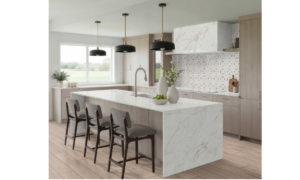
Angora Geometric Pattern Tile
What “Durable” Means Behind a Stove
The wall above an active cooktop takes heat, grease, acidic splatter, and constant wiping. Whether you’re weighing a standard band against a full-height backsplash or planning a full remodel, long-term performance should lead the decision, not just the look on install day.
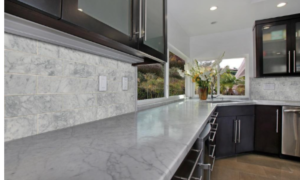
Carrara White Marble Subway Tile 4×12
Score materials on three must-haves:
- Heat resistance: Survives cooktop heat without cracking or discoloring. Kiln-fired bodies beat peel-and-stick options.
- Stain & acid resistance: Handles lemon, tomato, and vinegar. Non-porous or glazed faces resist absorption; porous stone only slows it with sealers.
- Cleanability: One-pass wipe-downs. Texture, finish, and grout-line density drive how long cleanup takes.
Materials Ranked for Active Cooking Zones
When you compare options for the best kitchen tile backsplash, durability and maintenance matter most. Explore the breadth of looks in the MSI backsplash tile collection, then use this performance order for busy kitchens:
1. Porcelain: Best Overall
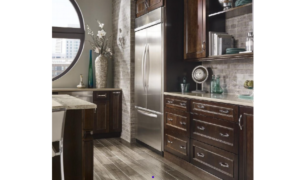
Brickstone Taupe 2×10 Brick Tile
Made from dense clay and fired at high temperatures, porcelain tile has a water absorption rate of ≤0.5%. Virtually non-porous, so grease and acids stay on the surface instead of soaking in. It handles cooktop heat and scrubbing without etching. Formats span subway, large-format, mosaic, and porcelain slab looks that are ideal for heavy-duty walls.
2. Ceramic: Best Everyday Value
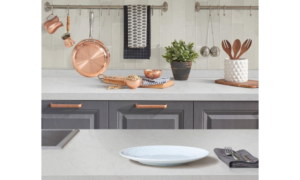
Renzo Dove 3×12 Ceramic Tile
Also kiln-fired, but typically with a less refined body and lower fire temps. A quality glaze still delivers a non-porous, wipeable face with near-porcelain performance at a friendlier price (collections like Highland Park are popular modern picks).
3. Glass: Strong on Stains, Shows Smudges
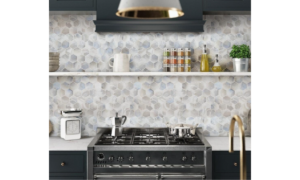
Akoya Pearl 3″ Hexagon Mosaic Tile
Fully non-porous, so oils wipe off and light bounces into tight prep zones. Glossy glass, though, highlights fingerprints and water spots, so expect more spot cleaning near an active range.
4. Natural Stone: Design First, Maintenance Heavy
Marble and travertine bring organic depth, but porosity means sealing at install plus periodic resealing. Kitchen acids can etch polished faces into dull spots that may need professional restoration. In busy kitchens, spills need cleanup right away, not “later tonight.”
5. Metal: Heat-Tough Accent, Fingerprint Magnet
Stainless and metal mosaics tolerate burner heat without cracking. Like glass, they show every smudge, so it is better as a cooktop accent band than a full wall.
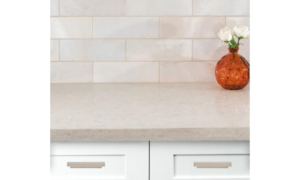
Marza Pearl Subway Tile
Durability Snapshot
| Material | Durability | Heat | Stain / Acid | Cleaning | Seal? | Best Use |
| Porcelain | Excellent | Excellent | Excellent (non-porous) | Very easy | No | Cooktop, sink, full wall |
| Ceramic | Good | Good | Very good (glazed) | Easy | No | Everyday cooking; value |
| Glass | Good | Good | Excellent | Easy, shows smudges | No | Sink walls; small/dark kitchens |
| Natural stone | Good to Excellent | Good | Poor to Moderate | Moderate | Yes, periodically | Accents: low-acid zones |
| Metal | Very good | Excellent | Good | Moderate | No | Cooktop accents |
White Backsplash Kitchens: Will They Stain?
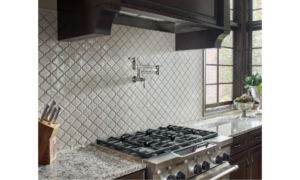
Retro Bianco Arabesque Tile
White remains a classic choice that brightens any cabinet color. Stain risk depends less on “white” and more on the body behind it:
- Glazed porcelain & ceramic: Highly stain resistant; glaze blocks oils and pigments.
- White natural stone: More vulnerable to oil darkening and acid etching.
Grout tip: White cement grout near burners stains over time. Mid-tone gray grout hides cooking spatters, while epoxy grout nearly eliminates joint staining.
Patterns That Help Busy Kitchens
Grout-line volume drives cleanup as much as style:
- Large format (12×24+): Fewer joints, faster wipe-downs.
- Subway (running bond): Classic and practical; rectified edges allow tighter joints.
- Herringbone & chevron: Trend-forward without changing surface durability.
- Mosaics: Dense joints mean more detailed scrubbing behind ranges.
Color doesn’t change glazed porcelain’s structure. Green, white, or gray can share the same durability when the body and glaze are right.
Ideas to Skip in High-Traffic Kitchens
- Peel-and-stick vinyl: Heat and steam degrade adhesive; edges curl and trap grease; replacement is the only fix.
- Unsealed stone at the stove: Oils darken permanently; etched polish can cost more to restore than the install.
- Deep 3D / relief textures: Grooves collect airborne oils that sponges miss, darkening over time.
Cost Snapshot (Material + Labor Ranges)
| Material | Material $/sf | Labor $/sf | Ongoing |
| Ceramic | 2–8 | 5–15 | None if glazed |
| Porcelain | 3–12 | 5–18 | None: no sealing |
| Glass | 7–20 | 10–20 | None: non-porous |
| Natural stone | 10–30 | 15–25 | Periodic sealing (50–200) |
| Metal / stainless | 15–40 | 12–25 | Usually accent-only |
For a typical 30–40 sf backsplash installed: ceramic about 250–900; porcelain about 300–1,200; natural stone about 750–2,500+. Over the life of the wall, porcelain often delivers the best durability per dollar.
Choose High-Performance Looks with MSI
Match cooking habits to materials that wipe clean and last. Browse porcelain, ceramic, glass, and stone options in the MSI backsplash tile collection, then dig into layout and coverage detail in MSI’s comprehensive bathroom and kitchen backsplash tile guide. See samples at an MSI showroom or authorized dealer when you’re ready to specify.